
As I’ve come to a different stage of my life–as a grandparent–and I observe my grandchildren and their peers, I’ve seen the skills of practical life as key to living a happy life.
These articles came out of my realization, too, that among my peers–fellow grandparents–the ones that were the healthiest and happiest practiced practical life skills at all levels every day.
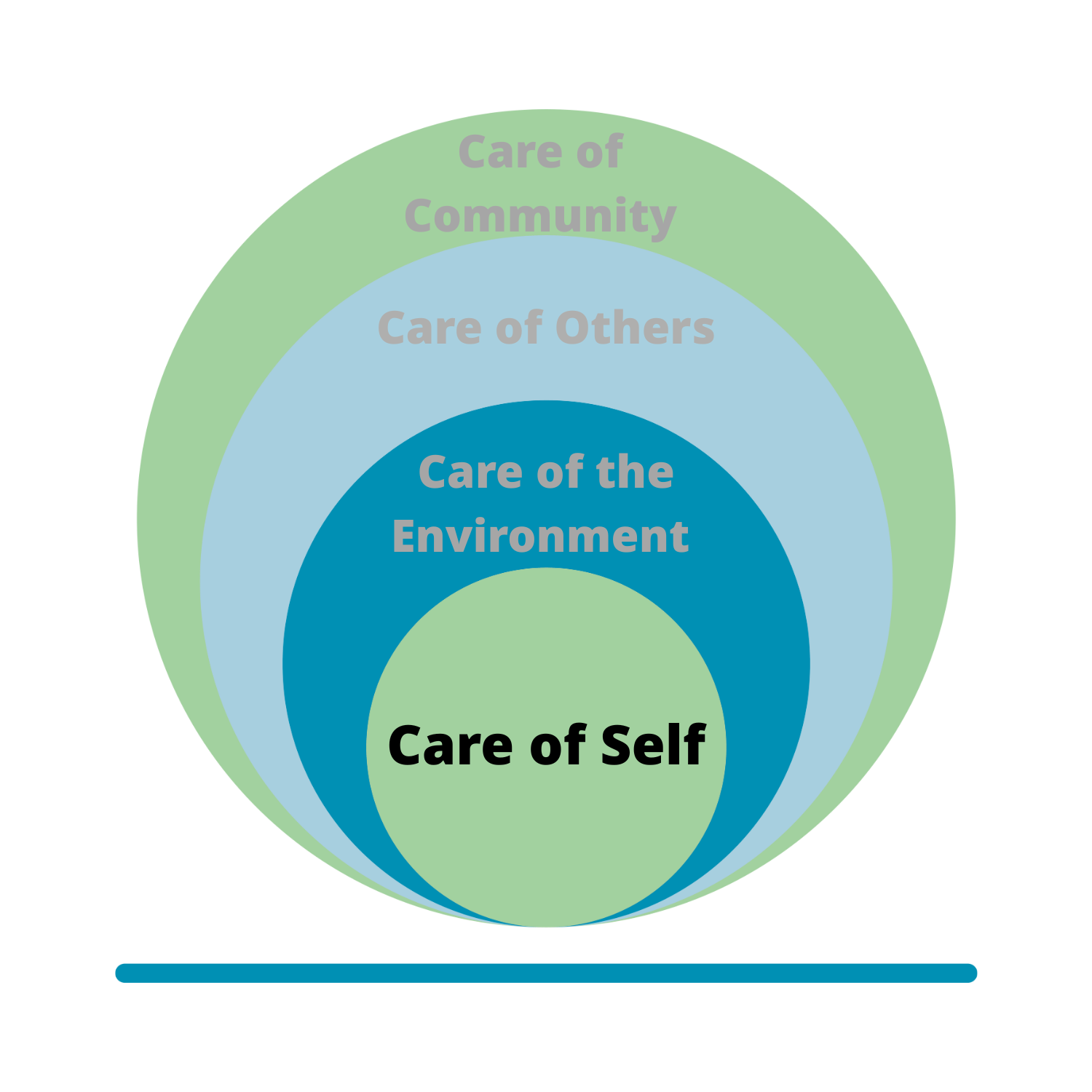
Care of the Self Is Where We Begin
One of the many things I have come to appreciate about my Montessori teaching experience is this idea; in their efforts to self-construct an adult human being, children’s initial work is care of the self.
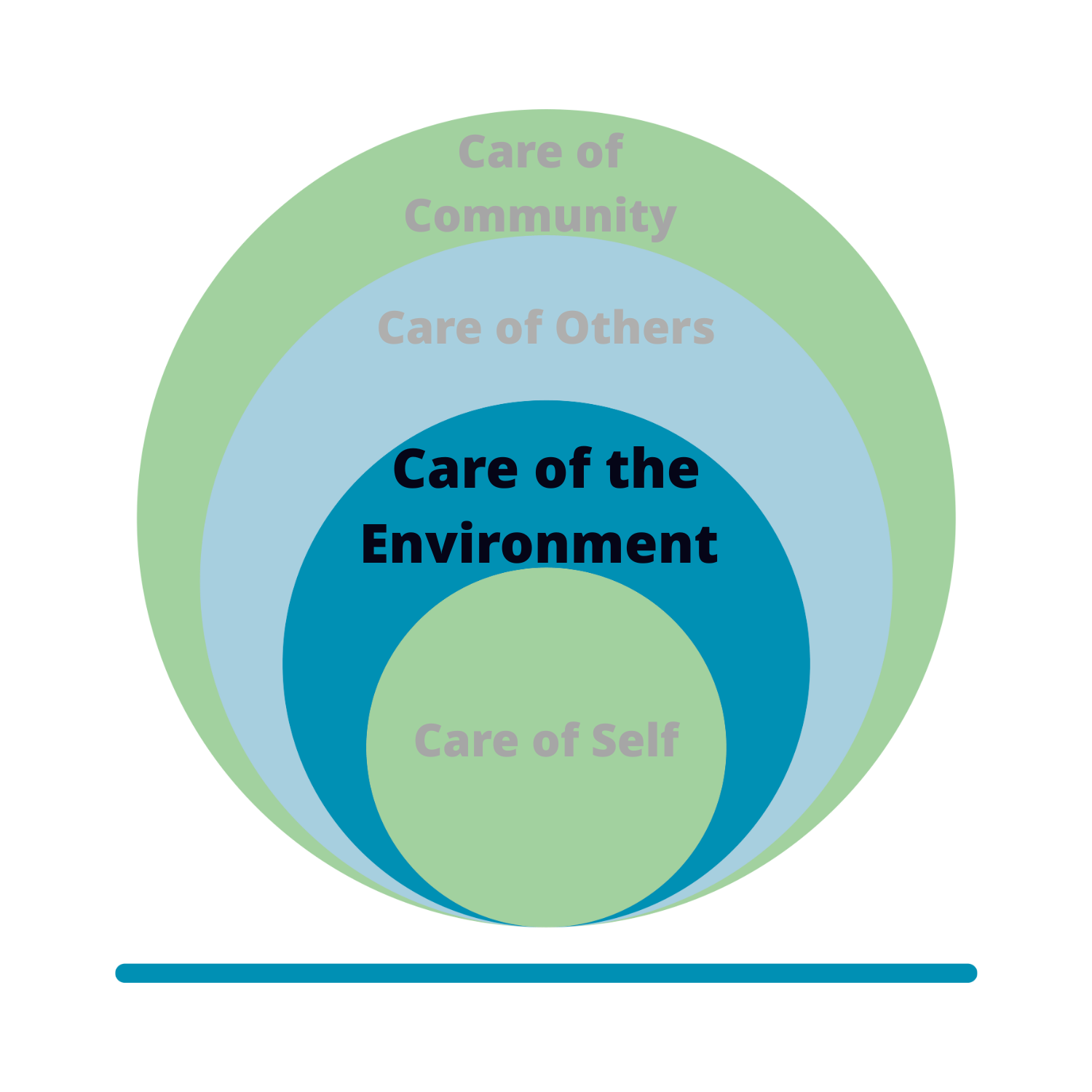
Children’s Care of their Environment Creates Powerful Learning
One of the many universal learning and teaching principles used in Montessori education is the idea of the prepared environment.
Created and maintained by the adults in that space, a prepared environment consists of four components: people, tools and objects, ideas and nature.
Care of Others: Another Step Towards Independence
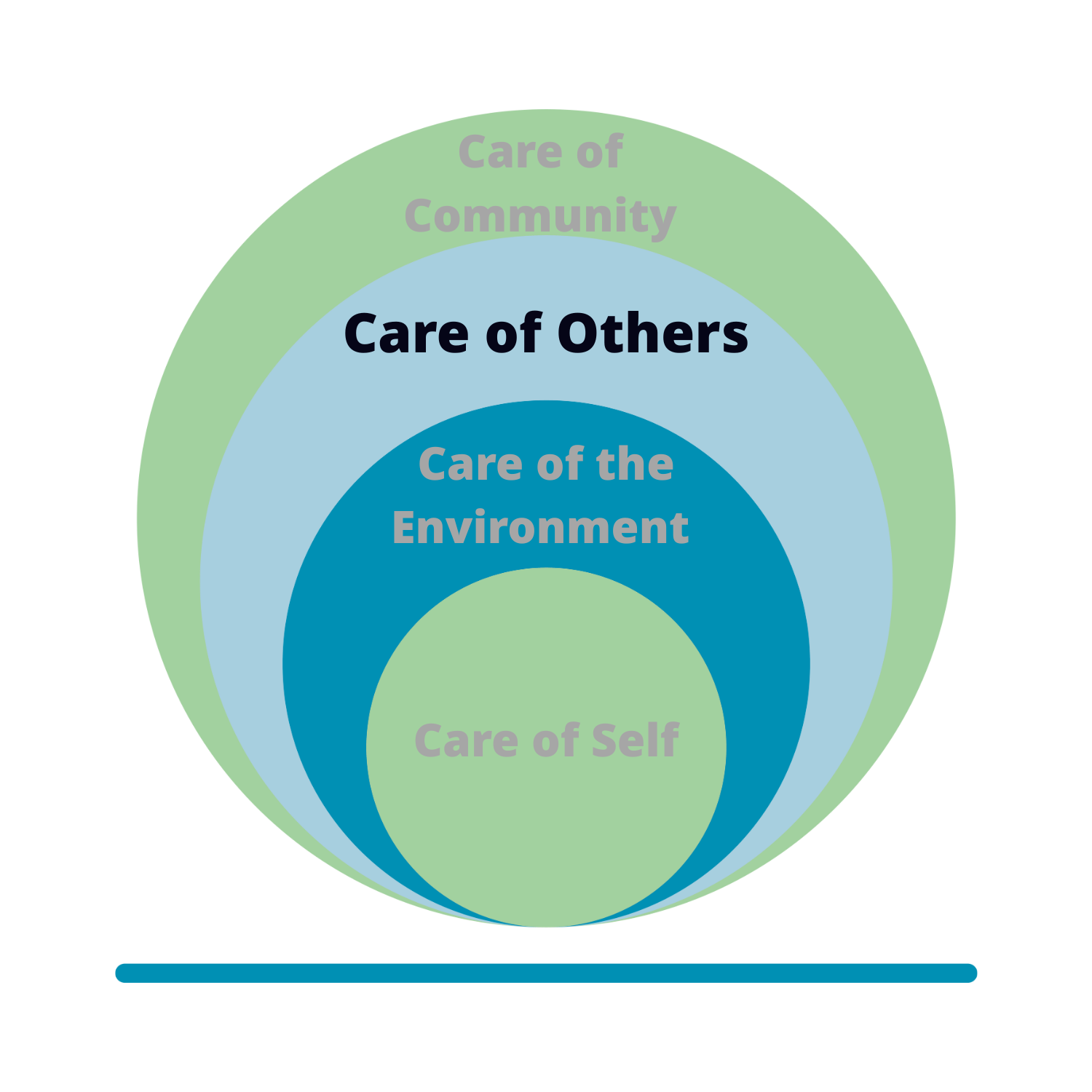
As we consider the different areas of practical life exercises, we might see that care of others follows a natural expansion from the child’s activities in care for the self and care of the environment.
Before we can truly take care of others, we need to know how to take care of ourselves, and at the minimum our immediate environment.
Care of Community: Sowing the Seeds of Citizenship
Over the past few posts, we’ve been looking at the foundational lessons of practical life skills that are offered in a Montessori classroom for three-to-six-year-olds, but in reality these lessons should be offered in all classrooms and homes.
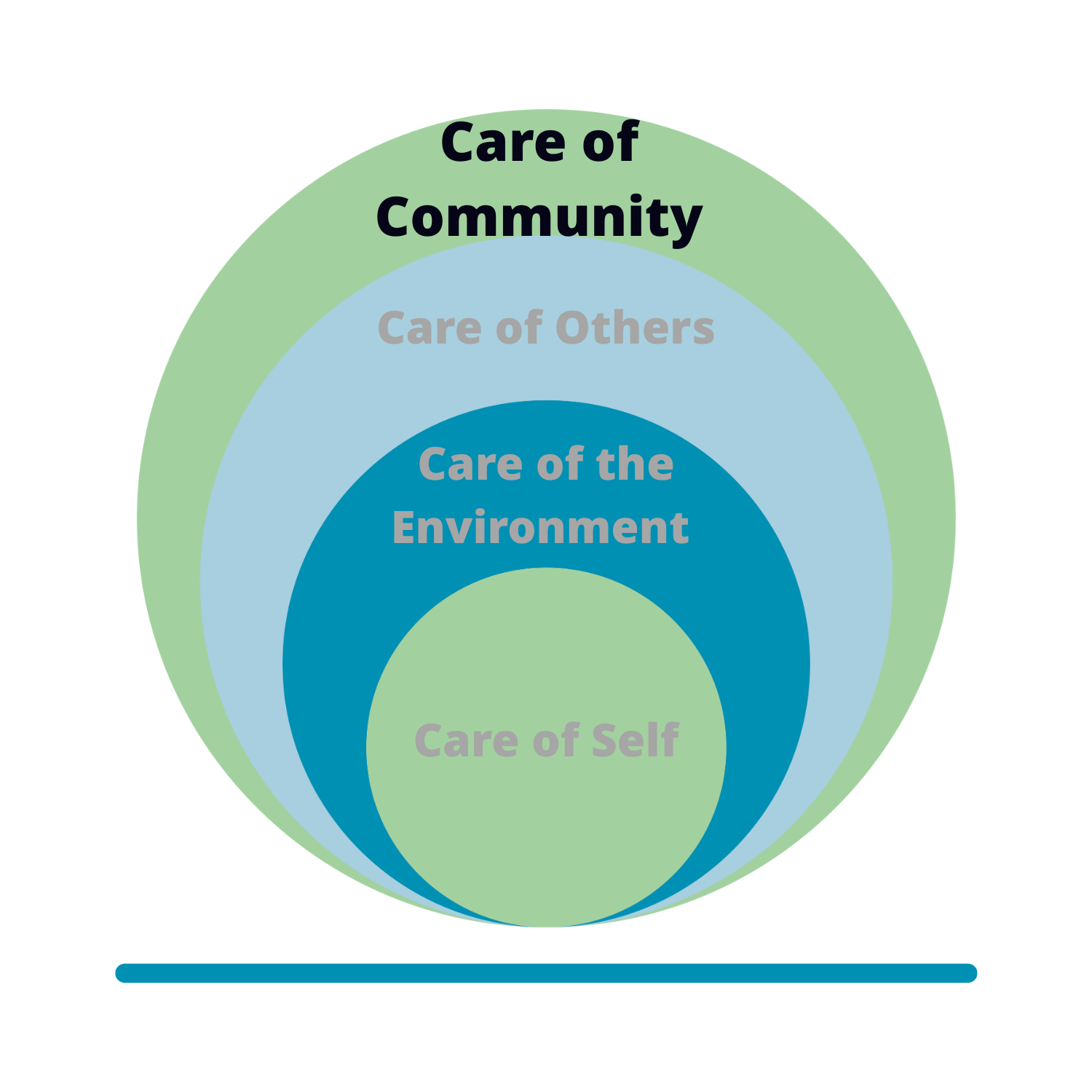
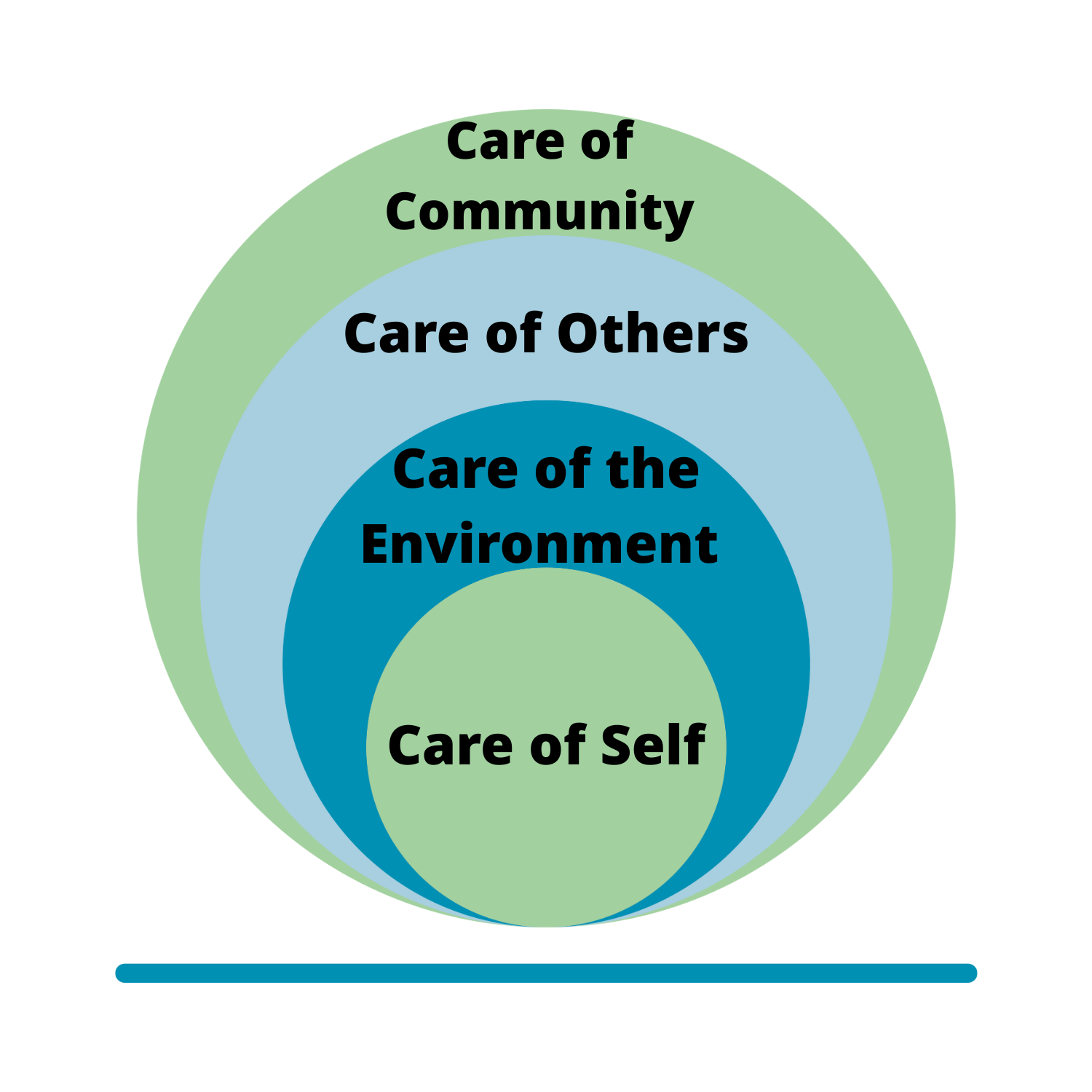
The practical life skills of caring for oneself, caring for one’s environment, caring for others and caring for your community form the strong underpinnings for building our lives.
For lifelong personal growth, these foundations of practical life skills should grow and offer us independence, empathy, along with an understanding of the responsibilities of citizenship.
The Real Work of the Adult: Practical Life
For adults, the daily work of practical life—caring for oneself, a home, family, and the communities of work, school and neighbors—is less about learning how to do activities, and more about how to do these actions with awareness, intention and proficiency.
Over the past couple of decades, as I’ve watched young adults emerge into adulthood, the struggles they encounter seem to connect to a lack of practical life skills. The good news is that when they focused on learning practical life skills, the turmoil in their lives subsided.
I hope you enjoy this series.
All the best,
Maren